01 · Structure
Look for an introduction, clearly identified sections and explanations of the terms used throughout the document.
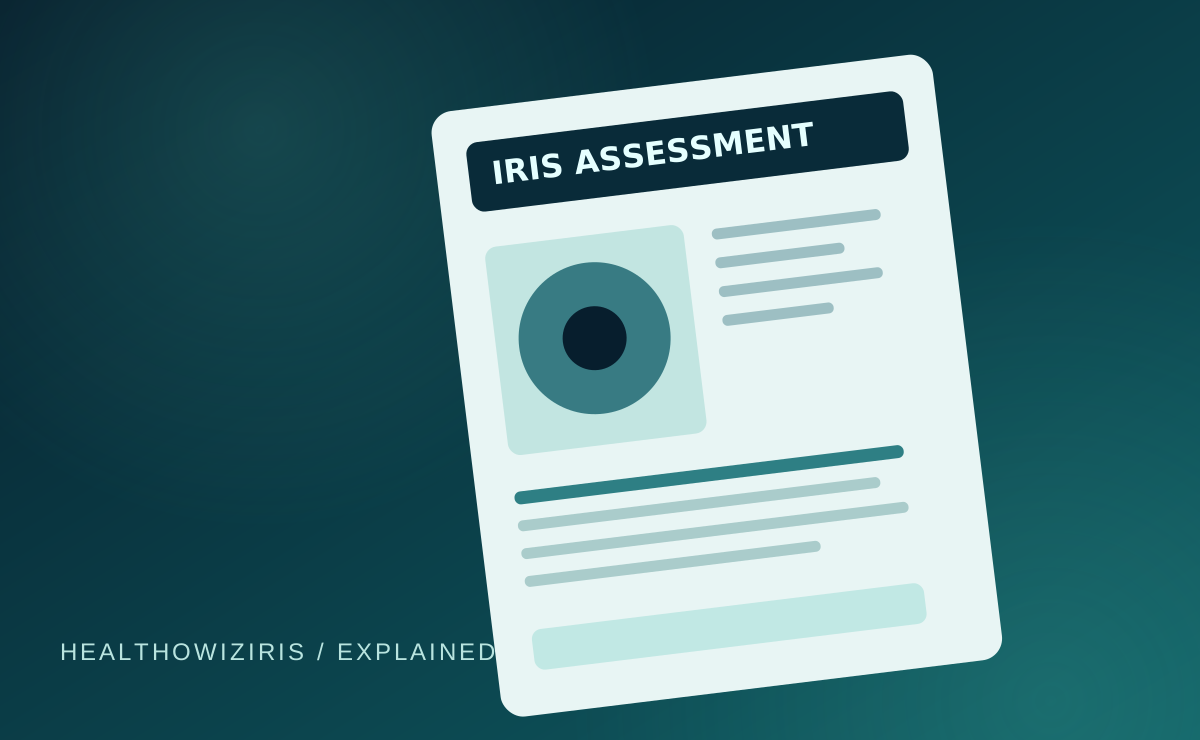
Look for an introduction, clearly identified sections and explanations of the terms used throughout the document.
Check whether a claim is a visual observation, a reflective exercise, a provider-generated interpretation or independently validated information.
Look for clear disclaimers, privacy information and a distinction between exploratory insight and medical conclusions.
The illustration shows a conceptual report layout. The live sample linked on the main landing page may use a different design or content structure.
Review any available sample in full before relying on its statements. The existence of charts, scores or detailed pages does not prove diagnostic accuracy.
Find sample report access on the homepage →Does the provider explain the data source, processing method and whether a qualified reviewer is involved?
Is a conclusion supported by independent evidence, or presented as an interpretation or self-reflection prompt?
How long are submitted images and reports stored, who receives them and how can deletion be requested?
Iris photos can show visible anatomy and natural variation. However, research has not established iridology as a reliable way to diagnose diseases elsewhere in the body. Review the evidence and limitations guide for evidence and sources.
For eye or health concerns, seek a qualified medical professional rather than using a commercial iris report to guide treatment decisions.
Send a general enquiry and tell us which part of the reporting experience you want to understand.
Contact our team →